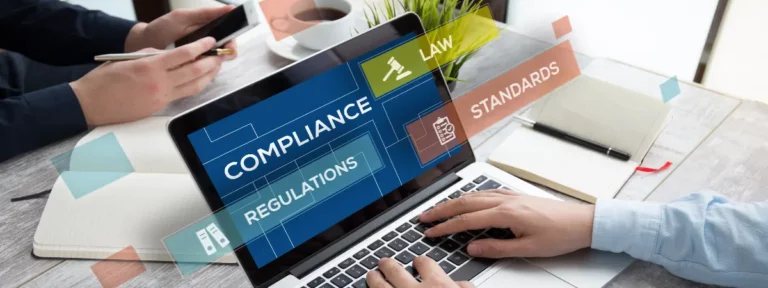
Medical compliance is a critical aspect of healthcare, ensuring patient safety and adherence to ever-changing healthcare laws. Staying up-to-date with regulatory requirements is essential to avoid penalties and maintain quality care. Healthcare providers face the challenge of balancing compliance with innovation while leveraging technology for efficient management. This adaptability is key to navigating the complex landscape of medical compliance and advancing the industry. Implementing robust strategies and fostering collaboration will contribute to a sustainable and compliant healthcare ecosystem.
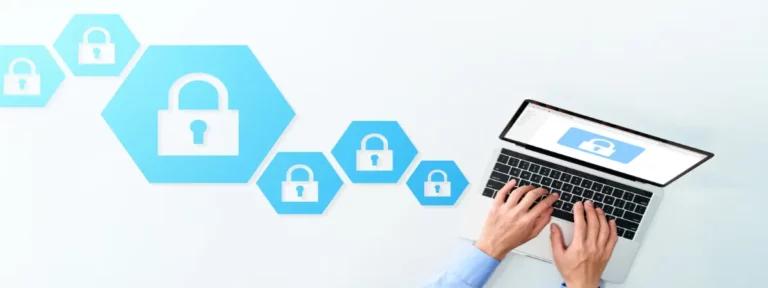
In the realm of Healthcare IT, safeguarding data security and privacy is paramount. Best practices entail implementing robust encryption protocols, access controls, and regular system audits. Employee training on data handling and privacy compliance is crucial. Anonymizing and de-identifying patient data for research purposes upholds privacy. Adopting a multi-layered security approach, utilizing firewalls and intrusion detection systems, fortifies protection against cyber threats. Compliance with industry standards, like HIPAA, ensures adherence to regulatory requirements.
Efficient patient appointment scheduling is crucial for maximizing provider availability and ensuring optimal healthcare delivery. By employing smart scheduling strategies, healthcare facilities can effectively manage the influx of patients while minimizing wait times and maximizing provider productivity. Implementing advanced scheduling software that integrates with electronic health records (EHR) can streamline the process, enabling automated appointment reminders, real-time scheduling updates, and patient self-scheduling options. Additionally, employing predictive analytics and machine learning algorithms can help anticipate patient demand patterns, allowing for proactive adjustments in provider schedules to optimize availability.
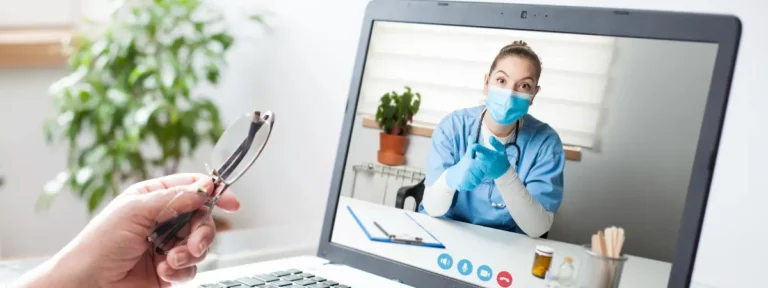
Telemedicine & remote patient monitoring are revolutionizing healthcare delivery. With telemedicine, patients can access quality care from the comfort of their homes, eliminating the need for unnecessary travel. Remote patient monitoring enables healthcare providers to remotely track vital signs and health data, allowing for proactive and personalized care. These technologies improve access to healthcare, especially for rural or underserved populations, and enhance patient engagement and satisfaction. By leveraging telemedicine & remote patient monitoring, healthcare systems can optimize resources, reduce healthcare costs, and provide efficient and convenient care to patients, leading to better health outcomes.